In what ways does your media product use, develop or challenge forms and conventions of real media products?
We used the camera to create atmosphere by using space within the frame. We didn’t use any long shots in the film to represent the character, Victoria’s, lack of space. We only used close ups and medium shots to show how entrapped she is. This gives more clues to the audience that she is having problem. We therefore used camera shots effectively to show her emotions.
 We developed camera conventions by using a high angle medium close up shot whilst the wine is being poured. When the wine hits the glass we start to hear the music. We mixed the conventions together. We wanted the audience to think she was about to have a good night by having alcohol and having a party. Ironically, in our film she’s not partying.
 We used narrative effectively. We based the story on the five part structure which is exposition, development complication, climax then resolution. However, in our film we only used four of them; we cleverly structured the movie towards the climax instead of the resolution. We gave a fake impression that everything is tolerable, but at the end we leave it on the climax that it’s not. The audience cannot see the ending coming.

We developed conventions buy not resolving the film. We didn’t want to patronise the young audience by giving an obvious, boring ending. We left it with a subtle message that raises questions about the ending such as why did she get ready for nothing? What has happened to her? And will she kill her self? It will then create a debate on what the audience thinks happened.
For sound we used the conventional ambient sound at the beginning of the film. We used a quiet house for the films setting to create suspense, to make the audience think they’re listening for something.
We challenged the typical conventions of sound by not using any dialogue. We use this effect to show that the character won’t let people in, as she blocks out her character’s sister. The film relies on non diegetic sound. The soundtrack is a bubbly track, Fingerprints by Katy Perry, although it has lyrics that give clues such as “I want you to remember me, I'm leaving my fingerprints”. This makes the audience listen to the lyrics, if the song was only playing for a section of the film then it wouldn’t seem as important. This makes the audience realise that the character wants to leave a mark on the world but isn’t so far.
For mise en scene we used the costume to show her character. She has plain clothes to effectively suggest that she fits in the background and doesn’t stand out. If we dressed her in clothes that stood out it would suggest she’s a loud, confident character instead of someone who is happy to keep herself to herself. We wanted to show that she didn’t want to be noticed so kept her in plain clothes.

We wanted to show reality in the film, and we left the props how a typical, normal bedroom would be. We didn’t use fancy camera shots to centre each frame; we left the TV and things such as bedside tables. This was effective as it looks realistic, and shows the just a typical teenager who people can relate to. We challenged the convention of using a dressy costume for a night out, as at the climax of the film we find out she’s actually having a night in. This is used well as it shows that there is something upsetting her.
We used performance differently in our film to trick the audience. Instead of the actress being her true self even when she’s on her own, we got her to be quite happy throughout the majority of the film. This effectively shows the audience that she is trying to convince even herself that she is happier than she actually is.
We used the convention for editing of dissolves. When the main character changed her clothes we faded each one to show the passing of the time, as we didn’t want to bore the audience watching her getting dressed. We used this well as it shows how much time and effort she’s used to get ready.
We didn’t use fancy editing as we didn’t want to take away from the reality principle from the film. If we used loads of sophisticated fades it would take away from actually knowing the character. We wanted to get a real life view of her life so tried to keep it simpler.
How effective is the combination of your main product and ancillary texts?

We have used the picture in the poster to represent the split personality the character has to live. Victoria is looking in the mirror and we can see she has two ways to live her life. This gives a subtle hint to the audience of which type of movie it’s about. The expression in the picture shows the mood of the film as she is looking serious and thinking. This shows the audience that it’s not a typical chick flick, like having a young girl drinking wine would suggest.
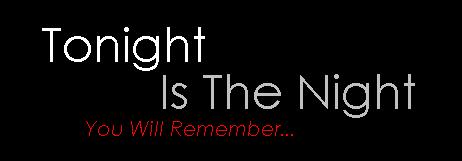
The quote on the film poster suggests that the film is not what you would first believe it to be. It prepares the audience for a bit of a shock. By writing things such as “Opened my eyes to things I never thought of” effectively lets the audience know they have to watch the film knowing there will be an issue that’s an eye opener. This makes the audience want to watch it to find out what happened, which gives the film a mystery element. The tagline is “you will remember” reflects the sad emotion and shows the audience its might not be remembered for a good reason.
We have designed the poster to show the different emotions our character Vicky goes through. We’ve used the colour red to show her heartbreak, her anger and the danger she could possibly be in. We have also used the colour pink for the background, this shows her. However we used a dark shadowy pink this reflect the secrets Victoria has, and the element of sadness.

For the magazine review, the image we used shows Victoria with a blank expression which suggests that she is confused. She doesn’t know what’s happening herself. This makes the audience think that it’ll be an interesting story about her finding herself. We used feminine colours to reflect her trying to look pretty throughout the film. We used red on the review to represent her heartbreak and frustration. By using a non-posed picture it suggests to the audience that she is just a normal girl, she’s not special, just your average teenage girl. It emphasizes the reality principle of the film.
The language we used in the review was informative so the audience know what is happening. It’s easy for them to read so it gets straight to the point. We made it youthful so it reaches our target audience. We used the language to help gather understanding of what the film is trying to portray such as “It makes you think of other aspects of a teenager’s life instead of it being all fun and games.”
How did you use media technologies in the construction and research, planning and evaluation stages?
Using Adobe Premiere had its advantages and disadvantages. It was quite an old programme, so it didn’t have very advanced features. We had originally planned on doing picture shots on this scene:

so it looked like this :

However the programme didn’t have the facilities for us to be able to do this. This meant we had to change our original plan from having picture shots to fades.
Another problem on Adobe Premiere was that adding music was quite complicated. There were not many options to changing the song around if it was needed which gave us a disadvantage as we couldn’t change it. A lot of the features you needed to know a lot about the music such as the terminology. We were limited on what we could do. We only had the options shown below for audio so we couldn’t have faded the song in and out easily or put any effect on the song.

Adobe Premiere had advantages as a programme. It was good because it gave us a wide choice of options for effects.

This allowed us to do many more effects to our film as it gave us a variety of choices. We used fades and dissolves effectively. It was also quite easy to see where the different parts of the film were, so it was simple to move things to different timings. This allowed us to make the film run more smoothly.

We could change the times of the transitions that we choose. This gave us the opportunity to have faster and slower fades; this allowed us to represent the state of her mind. We made the transitions quick to show the confusion in our characters mind.
We used blogger.com to blog our progress. I had some issues as when I put in a Youtube film, it wouldn’t let me resize the box. This meant the two videos were different size, and I couldn’t see the whole frame of the second film. This made my blog look less professional.
Blogs only allow a lack of creativity. There are fixed layouts you can use which are hard to move around. You can only move the boxes around a limited amount which makes the blog look less original and doesn’t represent our film sufficiently.

Using blogs did have some advantages to them, blogs are to make quick points, and are more about showing rather than telling. This meant that I couldn’t put much detail and explanations into writing why I did things. I could only tell the examiner what I done, instead of justifying why.
Another way of looking at it is, as blogs are more about showing than telling it avoided the problem of trying to explain something. Instead of having to write an essay about how I did something which can be very boring to read, I can take a screen shot of the progress I’ve made on the computer so it can be seen by anyone.
However blogger.com was useful for sharing ideas with my group. If one of us needed help with something, we could view each others blogs at the same time without stopping them from writing on it at the same time. It also allowed our work to be accessible from many places so we could edit it at home as well as at school. We could then see each others ideas which allowed us to share them ideas which enhanced our creativity.
What have you learned from your audience feedback?

We gave this questionnaire out to people who we thought would be similar to our target audience to see what their views of the film are.
We learnt a lot from what our audience told us. All of the audience thought that it was about a drama. We put the storyline across so it shows that it was an exciting storyline. Some people thought it was a chick flick, although it did have elements of a chick flick with the process of getting ready and doing her makeup however as it was a gloomy ending so we felt it was too dark to be a chick flick.

Our audience found that the messages that were shown throughout our film were that they shouldn’t kill themselves over a boy. This shows that we put a strong message across and used the acting efficiently to show the audience the messages we wanted to. Our message was to show the audience that they shouldn’t have been affected over boys and too not worry about life.

80% of the audience understood the film and the ideological message that it gave. This was good because we showed the film to our target audience so it showed us that it was successful in reaching the people we wanted it too.

We asked how the audience felt about the soundtrack we used to the film. 85% of the audience felt that it was a good choice of song and that it sounded like a chick flick song but the lyrics represented the drama element of the movie. They understood the message was reinforced by the lyrics to the song even though the music was upbeat. Some people suggested other types of music. Some audience members we asked realised the popular music was representative of the youth of the character.
50% of the audience chose the favourite part to be the sequence where the character tried on her clothes. They liked the variation of shots and found it an interesting shot that looked like a photo shoot.


